

From detox to rehabilitation.
Full residential treatment in Wadi El Natroun, in two stages, with the family part of it from the start.
First: detox
Detox is the first, medical stage: the body clears the drug while doctors watch the withdrawal symptoms and ease them with medication where needed, so the resident comes through it safely.
The Wadi El Natroun campus has two detox centres for 50 residents (2019 figures). Medical supervision is led by Dr Ehab El Kharrat, the program's founder.
This stage begins with medical checks on admission: a drug test, a full blood count, liver and kidney function, blood glucose and HbA1c, blood lipids, blood pressure monitoring and an ECG. It lasts at least 10 days for a voluntary admission, and at least 15 days otherwise.
Then: rehabilitation
Detox on its own doesn't treat addiction; it's the step that makes treatment possible. Rehabilitation is the longer stage, where the addiction itself is treated: daily therapy groups, the Twelve Steps and life in a therapeutic community, building the habits, relationships and skills that help someone stay clean.
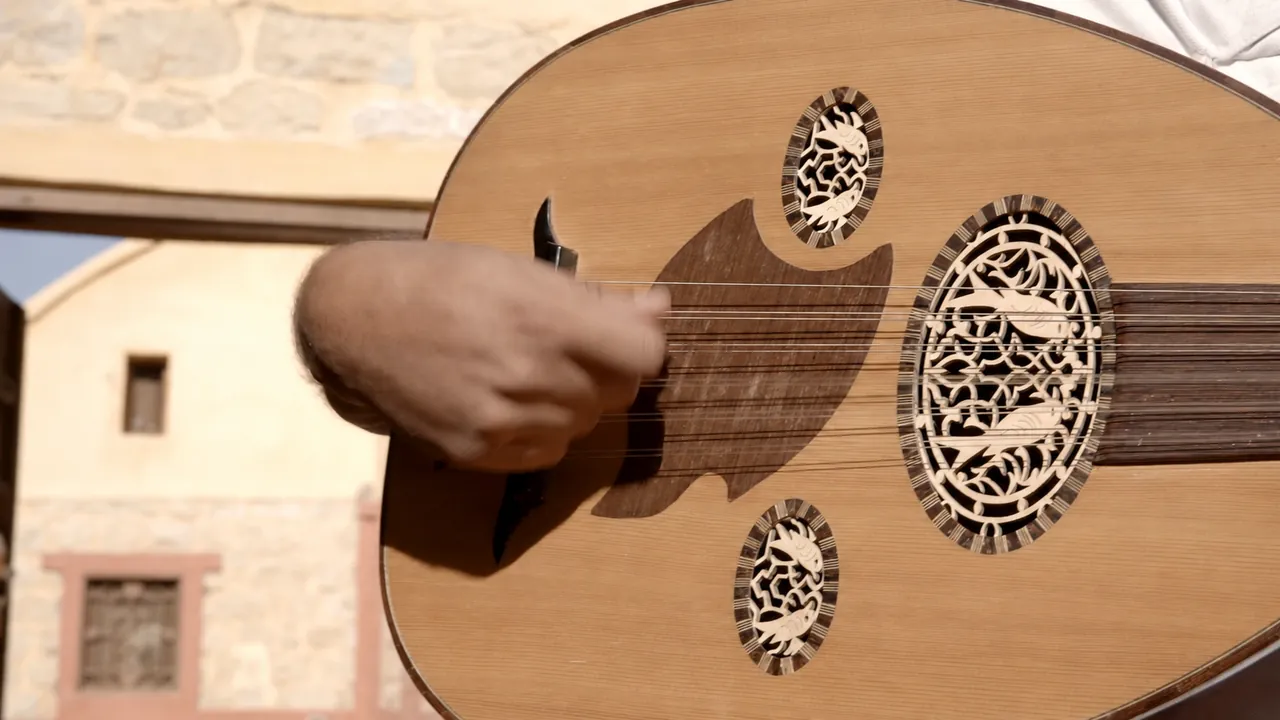
The program combines two approaches: the Twelve Steps (the Minnesota model), with fellowship groups, self-help and daily work on the principles of the steps; and the therapeutic community, with self-discipline, therapeutic work, art, sport, and cultural and spiritual life. Taking part in spiritual activities is optional.
The program runs for at least 6 months for a first course of treatment, and at least 4 months for someone coming back after a relapse.
Rehabilitation runs across several centres on the campus, each with its own program.
Daily life
Daily groups, group therapy, talks in the rehabilitation halls, work on the farm, and art. For sport there are open courts, running and fitness, and table tennis.
What it costs
From 450 EGP a day during detox, and from 8,000 EGP a month during rehabilitation, depending on the room.
After leaving
The program stays in touch with you after you leave.
Who we treat
The Wadi El Natroun centres are for men. The program admits women at its centres in Cairo, and we refer anyone who calls to them.
We serve everyone, regardless of gender, race, religion or political views.